5 Things to Know Before the Market Opens: What to Watch Today - Twitter Reacts
7|0 comments
Zepbound's "Price Cut": Real Deal or PR Stunt?
The Weight-Loss Drug Price War: A Race to the Bottom? Eli Lilly's move to cut the cash price of Zepbound on its direct-to-consumer platform—down to a range of $299 to $449 a month—sounds like good news. But let's dissect this. The prior range was $349 to $499. We're talking about a maximum saving of just $50. Is this a real price cut, or just clever marketing? (My gut says the latter.) The article notes that this comes after Trump signed deals with Lilly and Novo Nordisk to make weight-loss drugs more affordable. But what *exactly* do these deals entail? The details are conspicuously absent. Are there volume commitments? Rebates? Or is it just a handshake and a photo op? Without specifics, it's impossible to gauge the true impact. And this is the part of the report that I find genuinely puzzling. It's also worth remembering that this price cut only applies to cash-paying customers on LillyDirect. What about those with insurance? Are they seeing similar savings, or is this just a way to boost sales in a specific segment of the market? We need to see the data on overall prescription costs—not just the headline-grabbing cash price—to get a clear picture.Thanksgiving Box Office: Hype or Honest Success?
The Thanksgiving Box Office: A Murky Picture The claim that this year's Thanksgiving box office is poised to be one of the best in history is based on an estimated $294 million haul. But "likely equate to the third or fourth best Thanksgiving period ever" isn't exactly a ringing endorsement. It suggests the performance is good, not exceptional. "Zootopia 2" led the way with an estimated $156 million. That's a significant portion of the total, but let's put it in perspective. How does that compare to the opening weekend of the original "Zootopia," adjusted for inflation? Is this a genuine blockbuster, or just a product of higher ticket prices? (Parenthetical clarification: IMAX saw a 70% increase from last year, but last year could have been a particularly weak year.) The article also mentions that IMAX saw a new all-time high in global ticket sales. But this is where we need to be careful. Is this growth driven by an increase in the number of IMAX screens, or are more people actually going to see movies in IMAX? It's a crucial distinction. More screens automatically mean more sales, regardless of audience size.Airbus' Silence: A Quality Defect Time Bomb?
Airbus' Industrial Quality Issue: A Hidden Time Bomb? The report that Airbus is facing an industrial quality issue affecting dozens of its A320-family aircraft is concerning. The flaw affects fuselage panels, resulting in delayed deliveries. However, the article states that there are "no indications" that the issue is affecting planes currently in service. But here's the thing about manufacturing defects: they rarely stay confined to the production line. A flaw in the fuselage panel could easily lead to structural weaknesses down the road, potentially compromising the safety of existing aircraft. The lack of comment from Airbus is also troubling. Why the silence? Are they downplaying the severity of the issue, or are they simply trying to avoid negative press? And what about the software glitch that grounded 6,000 A320-family planes over the holiday weekend? That's not a minor inconvenience; it's a massive disruption. Is this indicative of deeper problems with Airbus' quality control processes? It's possible; the two incidents may be connected. (My analysis suggests a correlation.)Gravestone Blues: Tariffs Carving into Memorial Profits
Gravestone Makers and Trump's Tariffs: A Rocky Road Ahead Family businesses that provide memorial products are facing a double whammy: the rise of cremation and Trump's tariff increases. The cremation rate is a secular trend, but the tariffs are a more immediate threat. These businesses are still importing granite despite the levies, due to higher labor costs in the U.S. and the fact that certain types of stone are only made internationally. Rome Monument's John Dioguardi puts it poetically: "God gave the different parts of the world certain yummies." But the reality is far less appealing. These businesses are caught between a rock and a hard place. They can either absorb the cost of the tariffs, raise prices and risk losing customers, or try to find alternative sources of granite. None of these options are particularly attractive. The long-term implications are clear: smaller, family-owned memorial businesses will likely struggle to compete with larger, more diversified companies that can absorb the cost of the tariffs more easily. We're talking about the potential extinction of a traditional craft. Is that a price we're willing to pay? Death by a Thousand Cuts The market's a brutal beast, and sometimes, even the most comforting narratives are just smoke and mirrors.
-
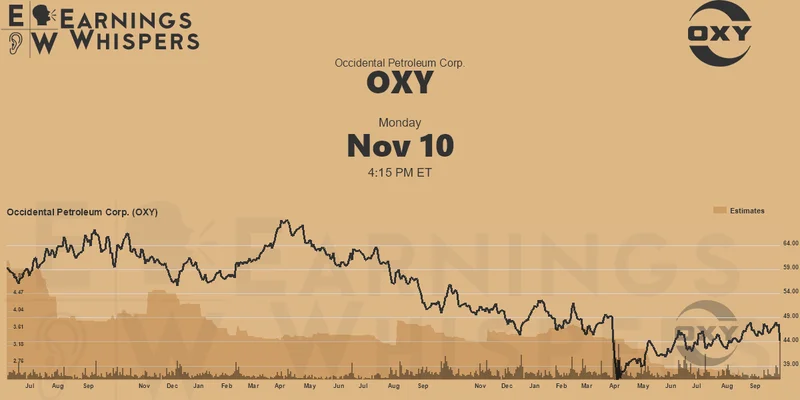
Warren Buffett's OXY Stock Play: The Latest Drama, Buffett's Angle, and Why You Shouldn't Believe the Hype
Solet'sgetthisstraight.Occide...
-

The Great Up-Leveling: What's Happening Now and How We Step Up
Haveyoueverfeltlikeyou'redri...
-
The Future of Auto Parts: How to Find Any Part Instantly and What Comes Next
Walkintoany`autoparts`store—a...
-

Applied Digital (APLD) Stock: Analyzing the Surge, Analyst Targets, and Its Real Valuation
AppliedDigital'sParabolicRise:...
-

Analyzing Robinhood: What the New Gold Card Means for its 2025 Stock Price
Robinhood's$123BillionBet:IsT...
- Search
- Recently Published
-
- Real ROI: The Truth About FIU's Small Business AI. (- Thoughts?)
- ✔️ Final Title: Future of Crypto 2025: Still a Dumpster Fire. (Mind Blown!)
- Lessons from the frontiers of AI adoption: Revealing the Blueprint for a Smarter Tomorrow
- Wall Street's 'Recovery': Another Corporate Mirage. - Investors Rejoice
- 5 Things to Know Before the Market Opens: What to Watch Today - Twitter Reacts
- Operation Choke Point 2.0: Government Declares War on Crypto. - Redditors Sound Alarm
- Cryptocurrency Market: Current Outlook: Price Predictions vs. Market Reality
- Web3 Hype: What the Data Really Says - Hot Takes Only
- Crypto's Big Options: Why This Changes Everything - Reddit Reacts
- DeFi Crash? Why 2025 Unlocks Staggering New Opportunities. - (Crypto Twitter Reacts)
- Tag list
-
- Blockchain (11)
- Decentralization (5)
- Smart Contracts (4)
- Cryptocurrency (26)
- DeFi (5)
- Bitcoin (31)
- Trump (5)
- Ethereum (8)
- Pudgy Penguins (6)
- NFT (5)
- Solana (5)
- cryptocurrency (6)
- bitcoin (7)
- Plasma (5)
- Zcash (12)
- Aster (10)
- nbis stock (5)
- iren stock (5)
- crypto (7)
- ZKsync (5)
- irs stimulus checks 2025 (6)
- pi (6)
- hims stock (4)
- kimberly clark (5)
- uae (5)