Web3 Hype: What the Data Really Says - Hot Takes Only
5|0 comments
Web 3.0. The term itself conjures images of a decentralized utopia, a new internet free from the clutches of Big Tech. And at the forefront of this revolution are the Web 3.0 developers, the builders of this new digital world. But are they really worth all the hype? Let's dissect the numbers, shall we?
Web3 Devs: Coders or Decentralized Architects?
Decoding the Web3 Skillset Web 3.0 developers are essentially software engineers with a specific focus: building applications, services, and infrastructure on decentralized platforms. This means a core skillset that includes blockchain technology, smart contract development, and a working knowledge of distributed systems. They're not just writing code; they're architecting systems designed to be resistant to censorship and single points of failure. One of the core tasks for these developers is creating smart contracts. These self-executing agreements, written in languages like Solidity (primarily for Ethereum), automatically enforce the terms of a contract on the blockchain. Think of it like a vending machine for legal agreements. You put in the right inputs (crypto, data), and the machine dispenses the output (access, ownership, execution). The promise is efficiency and transparency. The reality is that smart contract vulnerabilities have led to significant financial losses in the DeFi space (details on specific losses are surprisingly difficult to pin down to an exact figure, which is a red flag in itself). Then there's the creation of decentralized applications, or dApps. These are applications that run on a decentralized network, leveraging blockchain for data storage and security. The goal is fault tolerance, data integrity, and platform flexibility. JavaScript, Rust, and Python are commonly used. Rust, in particular, is crucial for Solana-based projects. A significant area of focus is DeFi (Decentralized Finance). Web 3.0 developers are building platforms for lending, borrowing, and trading, all without traditional intermediaries. This is where the potential for disruption is highest, but also where the risks are most acute. Are these developers equipped to handle the complexities of financial engineering, regulatory compliance, and security audits? The jury is still out.Web3 Devs: Skills Gap or Security Blind Spot?
The Learning Curve and the Security Question Becoming a Web 3.0 developer isn't a simple transition. It requires a dedicated learning path, starting with the basics of blockchain and then diving deep into specialized tools and frameworks. Hardhat, OpenZeppelin, and Alchemy are just a few examples. Building a portfolio of sample applications is crucial, as is contributing to open-source projects. How to become a Web 3.0 developer: Required skills and guide - TechTarget The Web 3.0 community is active, but also highly fragmented, making it difficult to assess the true skill level of many developers. Security is paramount. Web 3.0 developers need to implement secure software development practices and conduct regular security audits. This is where I have serious concerns. The rapid pace of innovation in the space often outstrips the ability to adequately secure these systems. We've seen countless examples of vulnerabilities being exploited, resulting in millions of dollars in losses. The skills needed aren't just about writing code; they're about understanding complex cryptographic principles and anticipating potential attack vectors. And this is the part of the analysis that I find genuinely puzzling. Given the inherent risks of decentralized systems, why aren't security audits and formal verification processes more widely adopted? Is it a lack of expertise, a lack of resources, or simply a willingness to prioritize speed over security? It's likely a combination of all three.Web3 Devs: High Demand, Questionable Foundations?
The Hype vs. Reality So, are Web 3.0 developers worth the hype? The answer is a qualified yes. There's no doubt that they possess a valuable and in-demand skillset. The potential for decentralized technologies to disrupt existing industries is undeniable. But the reality is that the space is still in its early stages, and the risks are significant. The demand for Web3 developers has exploded over the past several years. However, the supply of truly qualified developers hasn't kept up, leading to inflated salaries and a market ripe for exploitation. It's a classic case of supply and demand, but with a twist: the underlying technology is complex and often misunderstood. This creates an opportunity for individuals with limited skills to market themselves as experts, further muddying the waters. Web 3.0 development is like building a skyscraper on a foundation of sand. The potential is there, but the risks are enormous. Without a rigorous focus on security, formal verification, and ongoing education, the entire edifice could come crashing down. Still a Wild West The Web3 developer landscape is still akin to the Wild West: full of opportunity, but also rife with danger. The technology holds promise, but the current hype cycle needs a serious dose of reality.

-
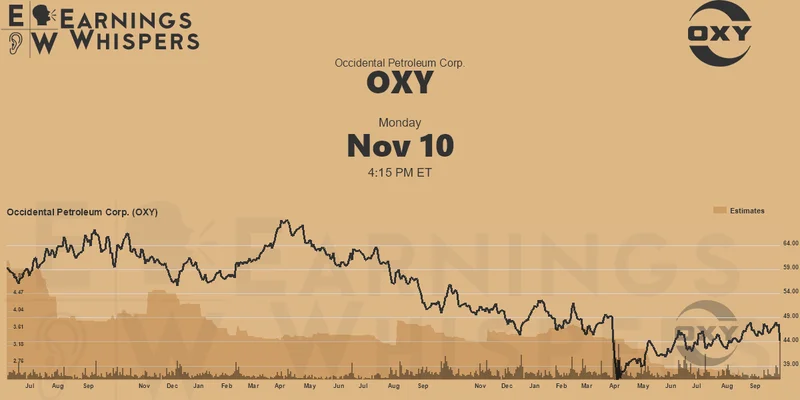
Warren Buffett's OXY Stock Play: The Latest Drama, Buffett's Angle, and Why You Shouldn't Believe the Hype
Solet'sgetthisstraight.Occide...
-

The Great Up-Leveling: What's Happening Now and How We Step Up
Haveyoueverfeltlikeyou'redri...
-

The Future of Auto Parts: How to Find Any Part Instantly and What Comes Next
Walkintoany`autoparts`store—a...
-

Applied Digital (APLD) Stock: Analyzing the Surge, Analyst Targets, and Its Real Valuation
AppliedDigital'sParabolicRise:...
-
Analyzing Robinhood: What the New Gold Card Means for its 2025 Stock Price
Robinhood's$123BillionBet:IsT...
- Search
- Recently Published
-
- Cryptocurrency Market: Current Outlook: Price Predictions vs. Market Reality
- Web3 Hype: What the Data Really Says - Hot Takes Only
- Crypto's Big Options: Why This Changes Everything - Reddit Reacts
- DeFi Crash? Why 2025 Unlocks Staggering New Opportunities. - (Crypto Twitter Reacts)
- Why $15B Options Are Bitcoin's True Test - Crypto Twitter Reacts
- Uber Ride Demand: Cost Analysis vs. Thanksgiving Deals
- Stock Market Rollercoaster: AI Fears vs. Rate Hike Panic
- Bitcoin: The Price, The Spin, & My Take
- Asia: Its Regions, Countries, & Why Your Mental Map is Wrong
- Retirement Age: A Paradigm Shift for Your Future
- Tag list
-
- Blockchain (11)
- Decentralization (5)
- Smart Contracts (4)
- Cryptocurrency (26)
- DeFi (5)
- Bitcoin (31)
- Trump (5)
- Ethereum (8)
- Pudgy Penguins (6)
- NFT (5)
- Solana (5)
- cryptocurrency (6)
- bitcoin (7)
- Plasma (5)
- Zcash (12)
- Aster (10)
- nbis stock (5)
- iren stock (5)
- crypto (7)
- ZKsync (5)
- irs stimulus checks 2025 (6)
- pi (6)
- hims stock (4)
- kimberly clark (5)
- uae (5)