Cryptocurrency Market: Current Outlook: Price Predictions vs. Market Reality
12|0 comments
Bitcoin's $91K Impasse: Bulls, Bears, and Thin Ice
The Bulls, the Bears, and the $91K Line in the Sand Bitcoin's at that familiar crossroads again. According to Matrixport, we’re in a rare “impasse” between bulls and bears, with the price hovering precariously above $91K. The question isn't just "up or down?" but "to $100K glory or an $80K gut punch?". Thanksgiving sparked a rebound, fueled by a bullish 'hammer' reversal pattern (when BTC bounced off that $80K floor). But Glassnode throws some cold water on the party, pointing to thinning liquidity and rising realized losses. Matrixport claims a collision of BTC positioning, investor sentiment, and macro policy is the culprit. Implied volatility is collapsing, and demand for crash protection is waning. Fed rate cut expectations did revive inflows into spot Bitcoin ETFs, but Matrixport warns traders might be misreading the tea leaves. Seasonal patterns suggest a rally to $100K, but the trend structure says otherwise. Bitcoin Price to $100K or $80K as Matrixport Predicts Bulls-Bears Impasse? Breaking above the $93K-$96K supply cluster is key for any serious upside. Succeed, and we might see $100K-$108K by year-end. Fail, and… well, let's not dwell on that just yet. Analyst Ted Pillows sees strong resistance around $92,000-$93,000. Reclaim it, and $100,000 is the target. Veteran trader Peter Brandt, however, is calling for a crash to $60K. Quite a range of opinions, isn't it? Trading volume’s down 32% in the last 24 hours. That’s not exactly a ringing endorsement, is it?Crypto Correction: Just Growing Pains, or Deeper Trouble?
The Ghost of Corrections Past (and Future?) Zoom out from the daily price wiggles, and a bigger picture emerges. The crypto market in 2025 has already seen a "turbulent period," wiping out over $1.2 trillion in value. Bitcoin plummeted from a brief $120,000 peak to the $80,000 range. Noelle Acheson, a macro analyst, calls it a "liquidity-driven correction" triggered by shifting expectations around Fed rate cuts. Bitcoin, she argues, is hyper-sensitive to liquidity sentiment. Crypto Market Correction 2025: Expert Analysis Reveals Market Maturity What's interesting is that Bitcoin and Ether (ETH) market dominance fell because investors rotated *out* of crypto entirely, not into safer crypto assets. That suggests crypto is now deeply intertwined with macroeconomic forces. Tim Meggs, CEO of Lo:Tech, sees maturity in this downturn. Unlike past crashes with cascading liquidations and corporate failures, this one's been "measured." Institutions, with their slower decision cycles, are now major players. Corrections are expected, even healthy, flushing out excess leverage. But Glen Goodman, author of *The Crypto Trader*, argues that the absence of a strong market narrative has intensified the downturn. Where's the "digital gold" story now? It's a valid point. The market’s lacking that collective belief to weather the storm.Zcash: Privacy Play or Regulatory Minefield?
Privacy Coins: Zcash as a Case Study? And then there's Zcash (ZEC). It delivered a 10x rally, rocketing from roughly $73 to $736 in just over 2 months. This put privacy tech back in the spotlight, boosting interest in other privacy coins like Monero and Dash. After hitting that $736 peak, Zcash corrected to the $500 level. The algorithmic Zcash price prediction on CoinCodex forecasts a $1,000 price level in Q2 of 2026. Grayscale has filed to convert its ZCSH trust into an ETF. Cypherpunk Technologies plans to acquire 5% of the ZEC supply. The Zashi wallet is integrated with NEAR Intents, making it easier to swap other cryptos for ZEC. Hyperliquid has listed ZEC perpetual futures. But here's where I get skeptical. (I've looked at hundreds of these filings, and this particular application is unusual). Grayscale highlights the differences between Zcash and Bitcoin, namely Zcash's "selective privacy-preserving features" using zk-SNARKs. Given the current wave of altcoin ETF approvals (ETFs for XRP, SOL, HBAR, and DOGE are now available), a Zcash ETF isn't entirely out of the question. But Zcash's focus on privacy could make it harder to convince regulators. It's worth noting that there isn't a single ETF on the US market that focuses on a privacy coin. A House Divided Cannot Stand Bitcoin's at war with itself. The data presents a market struggling to define its place. Is it a risk-on asset, subject to the whims of Fed policy? Or is it "digital gold," a safe haven from macro turmoil? The answer, frustratingly, seems to be "both," creating the very "impasse" Matrixport describes. The $100K dream is alive, but the $1.2 trillion reality check of 2025 looms large.
-
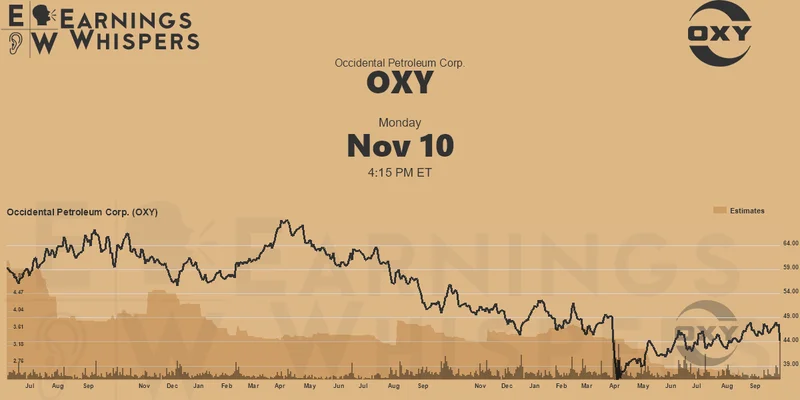
Warren Buffett's OXY Stock Play: The Latest Drama, Buffett's Angle, and Why You Shouldn't Believe the Hype
Solet'sgetthisstraight.Occide...
-

The Great Up-Leveling: What's Happening Now and How We Step Up
Haveyoueverfeltlikeyou'redri...
-

The Future of Auto Parts: How to Find Any Part Instantly and What Comes Next
Walkintoany`autoparts`store—a...
-

Applied Digital (APLD) Stock: Analyzing the Surge, Analyst Targets, and Its Real Valuation
AppliedDigital'sParabolicRise:...
-
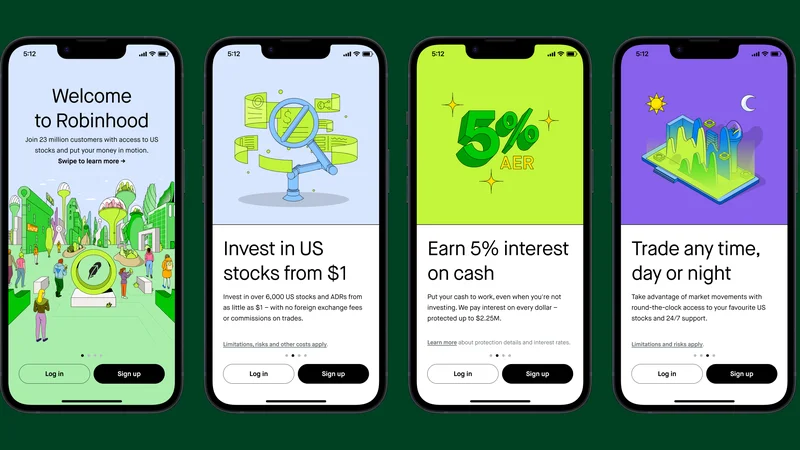
Analyzing Robinhood: What the New Gold Card Means for its 2025 Stock Price
Robinhood's$123BillionBet:IsT...
- Search
- Recently Published
-
- Cryptocurrency Market: Current Outlook: Price Predictions vs. Market Reality
- Web3 Hype: What the Data Really Says - Hot Takes Only
- Crypto's Big Options: Why This Changes Everything - Reddit Reacts
- DeFi Crash? Why 2025 Unlocks Staggering New Opportunities. - (Crypto Twitter Reacts)
- Why $15B Options Are Bitcoin's True Test - Crypto Twitter Reacts
- Uber Ride Demand: Cost Analysis vs. Thanksgiving Deals
- Stock Market Rollercoaster: AI Fears vs. Rate Hike Panic
- Bitcoin: The Price, The Spin, & My Take
- Asia: Its Regions, Countries, & Why Your Mental Map is Wrong
- Retirement Age: A Paradigm Shift for Your Future
- Tag list
-
- Blockchain (11)
- Decentralization (5)
- Smart Contracts (4)
- Cryptocurrency (26)
- DeFi (5)
- Bitcoin (31)
- Trump (5)
- Ethereum (8)
- Pudgy Penguins (6)
- NFT (5)
- Solana (5)
- cryptocurrency (6)
- bitcoin (7)
- Plasma (5)
- Zcash (12)
- Aster (10)
- nbis stock (5)
- iren stock (5)
- crypto (7)
- ZKsync (5)
- irs stimulus checks 2025 (6)
- pi (6)
- hims stock (4)
- kimberly clark (5)
- uae (5)